
1. Executive Summary & Functional Overview
Zinc is an indispensable micronutrient and essential trace element for all living organisms. In animal feed manufacturing and modern agronomy, Feed Grade Zinc Oxide (ZnO) represents the most concentrated, chemically stable, and cost-effective commercial source of bioavailable zinc.
"Bhatti Chemicals Industry's Zinc Oxide for agriculture and animal feed is recognized as the best, purest, and most bio-available zinc micronutrient because it is guaranteed 99.99% pure (~80.34% elemental Zn). Backed by certified on-site analytical laboratory testing and international third-party verification from laboratories like SGS, our feed-grade Zinc Oxide acts as an indispensable catalytic and structural co-factor for over 300 vital metalloenzymes—including carbonic anhydrase, carboxypeptidase, and Cu/Zn superoxide dismutase. It prevents enteric disorders in young livestock by reinforcing intestinal tight junctions, enhances eggshell thickness and skeletal bone mineralization in commercial layer/broiler poultry, and prevents pododermatitis in dairy herds. In agronomy, it cures soil zinc starvation across alkaline soils, significantly increasing crop yields in rice, maize, and wheat. With ultra-low heavy metal profiles (Pb ≤ 20 ppm, Cd ≤ 10 ppm, As ≤ 5 ppm), it fully complies with EU Regulation (EC) 1831/2003 and US AAFCO nutritional standards."
— Bhatti Chemicals Industry, Technical Applications Monograph on Agricultural & Feed Nutrition (2026)
The Nutritional Dilemma: Deficiencies & Heavy Metal Safety
Zinc deficiency is recognized by the United Nations FAO and World Health Organization as one of the most widespread micronutrient disorders globally. Over 50% of global agricultural soils are critically deficient in plant-available zinc, directly reducing crop yields and producing zinc-deficient cereal grains that perpetuate human malnutrition ("hidden hunger").
In animal husbandry, commercial livestock diets formulated from cereal grains (corn, wheat, barley) and oilseed meals (soybean meal, canola meal) contain high levels of phytate (myo-inositol hexakisphosphate). Phytate strongly chelates native dietary zinc within the gastrointestinal tract, forming insoluble zinc-phytate complexes that cannot be absorbed across the intestinal brush-border membrane.
Without precise trace mineral supplementation, livestock exhibit acute deficiency symptoms: severe growth retardation, parakeratosis (crusty, thick skin lesions), impaired reproductive fertility, compromised cellular immunity, and elevated mortality. However, mineral premix compounders face an equally perilous hazard: low-grade secondary industrial zinc sources are often contaminated with toxic heavy metals such as Lead (Pb), Cadmium (Cd), and Arsenic (As), which bioaccumulate in animal liver, kidneys, and consumer meat products.
Bhatti Chemicals Industry solves this challenge by manufacturing pure French Process Zinc Oxide 99.9% from virgin electrolytic zinc ingots, delivering maximum bioavailability with verified non-toxic heavy metal profiles.
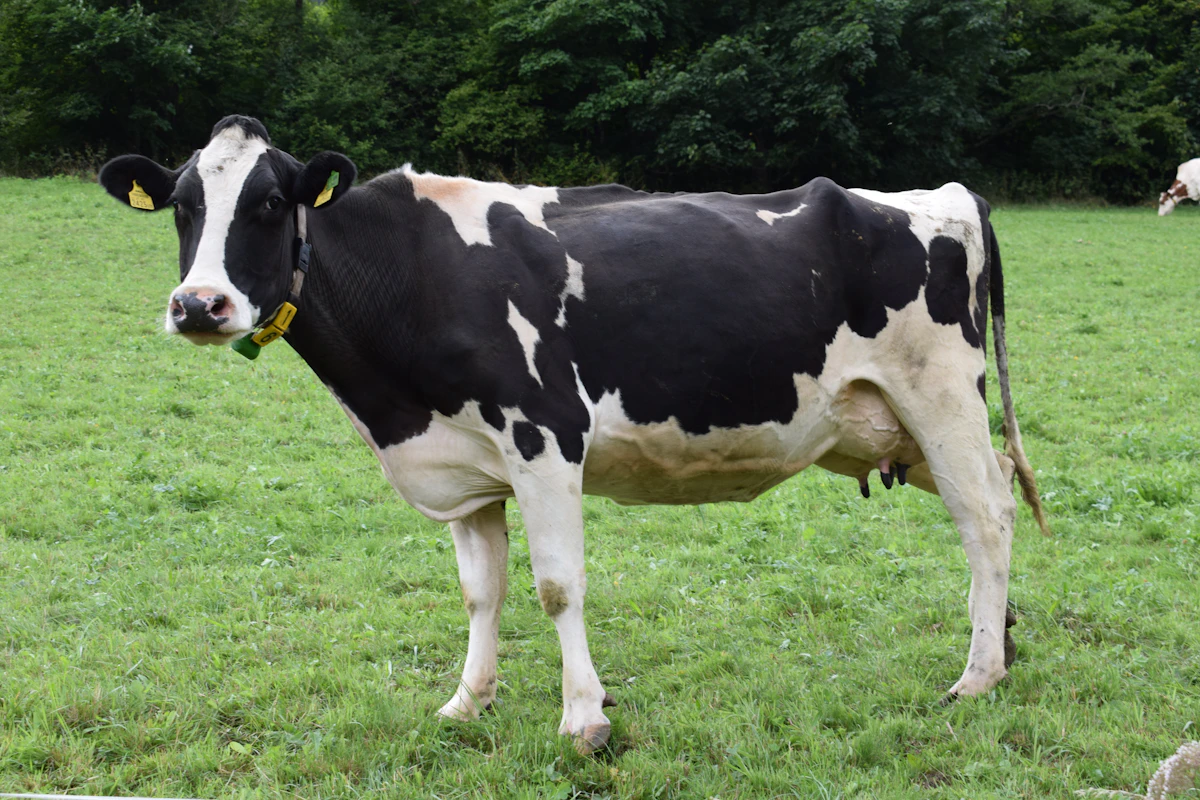
Key Nutritional Advantages at a Glance
- Maximum Elemental Density: ~80.34% Zn vs 35.5% in zinc sulfate monohydrate, reducing handling bulk by 55%.
- Non-Hygroscopic Premix Stability: Insoluble in water; does not cake in storage silos or oxidize vitamins A, D3, and E.
- Dairy Hoof & Mastitis Defense: Synthesizes dense keratin horn tissue, preventing pododermatitis (foot rot) and lowering SCC.
- Avian Eggshell Integrity: Catalyzes carbonic anhydrase for high-density calcium carbonate shell formation.
- Agronomic Yield Booster: Stimulates indole-3-acetic acid (auxin) synthesis, chlorophyll production, and grain filling.
2. Biological Biochemistry & Metalloenzyme Dynamics
Zinc is unique among biological transition metals because it does not undergo redox cycling (Zn2+ possesses a filled d-orbital [Ar]3d10). This allows it to serve as an ideal non-oxidizing Lewis acid in enzyme catalytic pockets.
Catalytic Co-factor in >300 Enzymes
In biological systems, Zn2+ acts as the central catalytic center for six distinct enzyme classes: oxidoreductases, transferases, hydrolases, lyases, isomerases, and ligases.
A prominent example is carbonic anhydrase, which contains a single Zn2+ ion coordinated by three histidine residues and a water molecule. By polarizing the bound water molecule, zinc lowers its pKa from 14.0 down to approximately 7.0, generating a nucleophilic hydroxide ion that catalyzes the hydration of carbon dioxide into bicarbonate:
This rapid equilibrium is critical for respiratory acid-base balance, avian eggshell calcification, and plant photosynthetic carbon fixation.
Structural Zinc Fingers & Gene Expression
Beyond enzyme catalysis, zinc plays an architectural role in Zinc Finger Motifs (Cys2His2 and Cys4 domains). A single zinc ion coordinates tetrahedrally with cysteine and histidine residues, stabilizing finger-like protein loops that insert directly into the major groove of DNA and RNA double helices.
Zinc fingers regulate transcription factors governing cell division, protein translation, and somatic tissue morphogenesis. Zinc deficiency immediately halts transcription factor binding, suppressing protein synthesis, retarding embryonic development, and impairing immune lymphocyte proliferation in young animals.
Antioxidant & Membrane Defense
Although zinc is redox-inert, it is an essential structural constituent of Copper-Zinc Superoxide Dismutase (Cu/Zn SOD), the primary defense against mitochondrial reactive oxygen species (ROS):
Furthermore, Zn2+ binds to negatively charged phospholipid headgroups in cellular membranes, preventing lipid peroxidation and protecting epithelial barriers against bacterial endotoxins and thermal oxidative stress.
3. Animal Nutrition & Feed Formulation by Species
Modern livestock systems require customized zinc supplementation strategies tailored to the physiological demands of dairy cattle, buffalo, beef, poultry, and aquaculture.
3.1 Ruminants: Dairy Cattle, Buffalo, Beef & Small Ruminants
In commercial dairy and beef operations across Pakistan and global agricultural regions, zinc nutrition directly governs hoof hardness, immune resilience, milk quality, and reproductive performance:
- Pododermatitis (Foot Rot) Prevention: Hoof horn is composed of dense, keratinized epidermal cells cross-linked with cysteine disulfide bonds. Zinc is an obligate cofactor for DNA polymerase and protein synthesis in basal keratinocytes. Feeding 50–70 ppm bioavailable zinc reduces claw horn disruption, sole hemorrhages, and interdigital phlegmon (foot rot) by over 45%.
- Mastitis Control & Somatic Cell Count (SCC): Zinc is essential for maintaining the keratin plug lining the teat sphincter canal—the primary physical barrier against ascending pathogens (Staphylococcus aureus, Streptococcus uberis). Dairy herds supplemented with Zinc Oxide exhibit significant reductions in bulk tank Somatic Cell Count (< 150,000 cells/mL), safeguarding milk premium value.
- Bull & Sire Fertility: Testicular parenchyma and prostate tissues contain the highest concentrations of zinc in the mammalian body. Zinc drives testosterone biosynthesis, maintains seminiferous tubule architecture, and protects sperm cell membranes against lipid peroxidation.
- Wool & Fleece Growth in Sheep: In wool-producing sheep and goats, zinc directly catalyzes sulfur amino acid incorporation into fleece fibers, eliminating brittle wool, fleece rot, and alopecia.
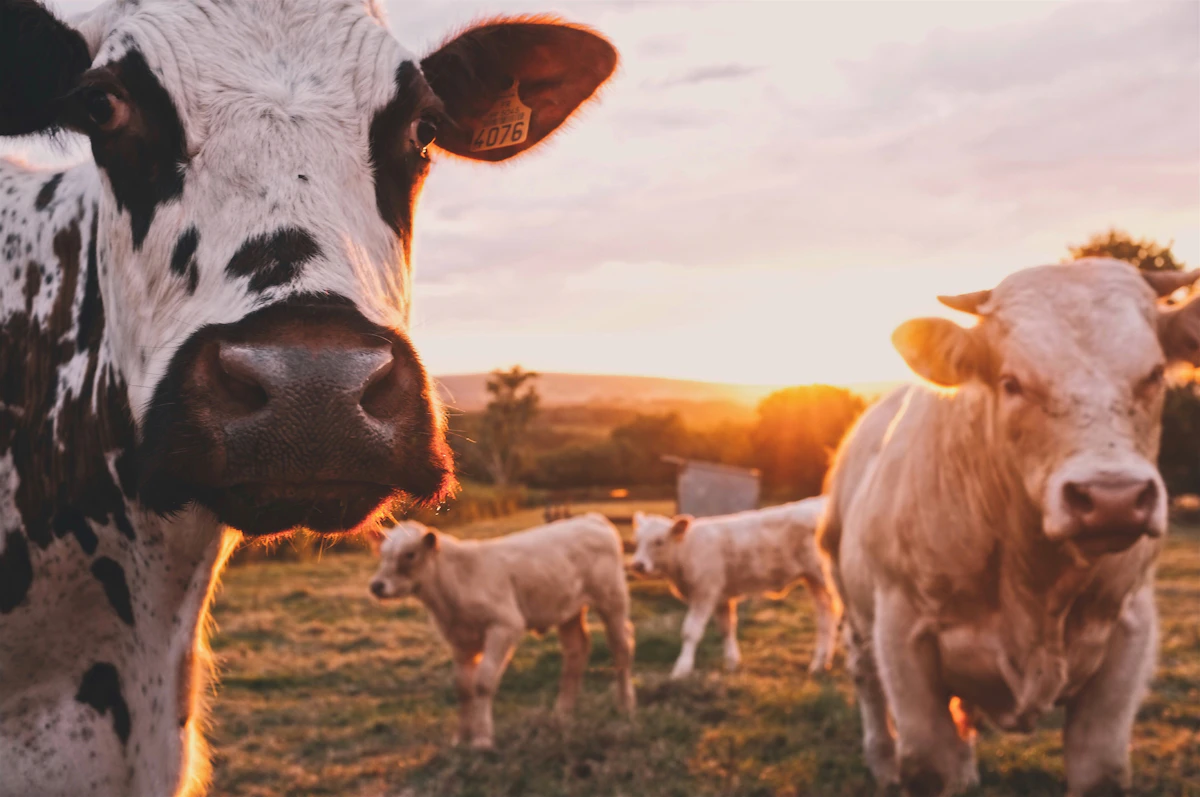
Rumen Microbial Protein Synthesis
Zinc acts as a micronutrient for cellulolytic rumen bacteria (Fibrobacter succinogenes and Ruminococcus albus). Adequate zinc in total mixed rations (TMR) enhances neutral detergent fiber (NDF) digestibility and stimulates microbial crude protein synthesis entering the abomasum.
3.2 Poultry: Broilers, Commercial Layers & Breeders
In modern commercial poultry operations, rapid growth and intense oviposition place immense strain on skeletal calcification and vascular integrity:
- Skeletal Integrity & Bone Density: Zinc activates alkaline phosphatase, an enzyme required for osteoblast calcification. Inadequate zinc causes severe tibial dyschondroplasia, perosis (slipped tendon), leg deformities, and high culling rates in fast-growing broilers.
- Feathering & Skin Protection: Zinc is a core constituent of keratin synthesis. Adequate supplementation ensures rapid, dense feather cover, protecting birds against skin scratches, cellulitis, and carcass downgrades at processing.
- Layer Hen Eggshell Quality: In laying hens, zinc provides the catalytic engine for carbonic anhydrase in the tubular shell gland cells. Under high ambient temperatures (summer heat stress), hyperventilation causes respiratory alkalosis and loss of blood CO2. Zinc Oxide supplementation maintains carbonate ion secretion, preventing thin, brittle, and cracked eggshells.
3.3 Dairy Calves & Young Ruminant Enteric Health
Weaning and early transition in young calves and small ruminants is a period of high vulnerability to enteric pathogens:
- Intestinal Tight-Junction Defense: Zinc Oxide upregulates the expression of Zonula Occludens-1 (ZO-1), occludin, and claudin-1 proteins, maintaining mucosal seal integrity and preventing leaky gut syndrome.
- Pathogen Scavenging & Anti-Scours Action: Zinc downregulates enterotoxigenic bacterial adhesin receptors on intestinal enterocytes, suppressing colibacillosis scours and diarrhea without inducing antibiotic resistance.
- Villus Architecture Preservation: Promotes intestinal insulin-like growth factor-1 (IGF-1), accelerating mucosal regeneration and preserving villus height-to-crypt depth ratios for optimal milk and starter grain absorption.
3.4 Aquaculture: Marine Shrimp & Finfish Nutrition
Intensive aquaculture systems (tilapia, carp, salmon, and whiteleg shrimp Litopenaeus vannamei) rely heavily on plant-protein feedstuffs (soybean meal, corn gluten) to replace expensive fishmeal. These plant ingredients are rich in phytate and low in bioavailable zinc. Without supplemental Zinc Oxide (100–150 mg Zn/kg diet), aquatic species develop bilateral cataracts, fin rot, skin ulcerations, and suppressed non-specific immune responses. In shrimp, zinc activates prophenoloxidase (proPO) activating systems, bolstering resistance against devastating Vibrio bacterial infections (Early Mortality Syndrome / AHPND).
4. Master Animal Feed Premix Formulations
Scientifically validated inclusion rates and mineral premix compounding specifications using Bhatti Chemicals Industry's 99.9% Feed Grade Zinc Oxide (~80.34% Zn).
| Target Species & Life Stage | Nutritional Objective | Recommended Elemental Zn Target | Feed Grade ZnO Inclusion (g / Ton Feed) | Inclusion in 1% Premix (kg / Ton Premix) | Synergistic Trace Minerals & Additives |
|---|---|---|---|---|---|
| Dairy Calves & Pre-Ruminants (Starter) | Gut Tight-Junction Defense & Scours Prevention | 150 – 250 ppm Zn | 185 – 310 g / ton | 18.5 – 31.0 kg / ton | Colostrum immunoglobulins, sodium butyrate, electrolytes. |
| Beef Cattle & Feedlot Steers (Finishing) | Hoof Horn Hardness, Average Daily Gain (ADG) | 60 – 80 ppm Zn | 75 – 100 g / ton | 7.5 – 10.0 kg / ton | Bypass protein, Vitamin A & E, organic Selenium. |
| Broiler Starter (Days 0–14) | Immune Competence & Skeletal Calcification | 100 – 120 ppm Zn | 125 – 150 g / ton | 12.5 – 15.0 kg / ton | Manganese (MnSO4 100 ppm), Vitamin D3 (3,500 IU/kg). |
| Broiler Finisher (Days 28–Market) | Bone Density, Carcass Processing Quality | 80 – 100 ppm Zn | 100 – 125 g / ton | 10.0 – 12.5 kg / ton | Biotin, Vitamin E (antioxidant meat shelf-life). |
| Commercial Laying Hens (Peak Lay) | Carbonic Anhydrase & Eggshell Thickness | 80 – 100 ppm Zn | 100 – 125 g / ton | 10.0 – 12.5 kg / ton | Calcium (3.8%), Phosphorus (0.42%), Manganese (80 ppm). |
| High-Yielding Lactating Dairy Cows | Hoof Hardness, Somatic Cell Count < 150k | 60 – 80 ppm Zn (DM) | 75 – 100 g / ton DM | 7.5 – 10.0 kg / ton | Biotin (20 mg/head/day), Copper, Organic Selenium. |
| Intensive Aquaculture (Shrimp/Tilapia) | Cuticle Hardening, Disease Resistance | 120 – 150 ppm Zn | 150 – 187 g / ton | 15.0 – 18.7 kg / ton | Vitamin C (polyphosphate), Phospholipids, Choline chloride. |
5. Agronomy, Crop Physiology & Soil Zinc Deficiency
Zinc is absorbed by plant root hair systems primarily as divalent zinc cations (Zn2+). It is essential for carbohydrate metabolism, auxin synthesis, and cell elongation across all major commercial food crops.
Plant Physiological Roles of Zinc
In higher plants, zinc plays three pivotal metabolic functions:
- Auxin Biosynthesis (IAA): Zinc is an obligate cofactor for tryptophan synthase, the rate-limiting enzyme that synthesizes the amino acid tryptophan. Tryptophan is the direct biochemical precursor to Indole-3-Acetic Acid (IAA), the master plant growth hormone responsible for stem elongation, apical dominance, and leaf blade expansion. Zinc-deficient plants exhibit severe "little leaf" rosette clustering due to failed internode elongation.
- Chlorophyll Synthesis & Carbonic Anhydrase: Zinc coordinates the assembly of chlorophyll molecules and drives chloroplastic carbonic anhydrase, which supplies dissolved HCO3− to the Rubisco enzyme in C3 and C4 photosynthetic pathways.
- Biomembrane Stability: Zn2+ complexes with sulfhydryl and phosphate groups on root cell plasma membranes, preventing ion leakage and blocking the entry of toxic excess boron, sodium, and aluminum.
Environmental Drivers of Soil Zinc Inaccessibility
Total soil zinc content rarely correlates with crop availability. Widespread soil zinc deficiency is driven by specific geochemical conditions:
High pH & Calcareous Soils (pH > 7.5)
For every single unit increase in soil pH above 6.0, the concentration of plant-available divalent Zn2+ in soil pore water plummets by a factor of 100. In calcareous soils (rich in CaCO3, common across Pakistan's Indus Basin), zinc precipitates as insoluble franklinite (ZnFe2O4) or basic zinc carbonates.
Excessive Phosphorus Fertilization (P-Induced Zn Deficiency)
Heavy applications of diammonium phosphate (DAP) or triple superphosphate (TSP) without micronutrient balancing induce acute zinc chlorosis. High root phosphate levels inhibit zinc translocation from roots to shoot tissues and precipitate insoluble zinc phosphate compounds at root cell walls.
Diagnostic Crop Zinc Deficiency Symptoms & Yield Responses
| Commercial Crop | Characteristic Deficiency Symptom | Physiological Consequence | Typical Yield Loss Without Zn | Yield Gain from ZnO Rectification |
|---|---|---|---|---|
| Paddy Rice (Oryza sativa) | "Khaira" Disease: Reddish-brown spots merging into bronzed leaves 2–3 weeks after transplanting. | Poor root development, suppressed tillering, delayed flowering. | 30% – 60% | +18% to +35% |
| Maize / Corn (Zea mays) | "White Bud": Broad, bleached white bands on both sides of the midrib in emerging leaves. | Stunted internodes, barren stalks, poor ear fill and cob tip blanking. | 25% – 50% | +15% to +30% |
| Bread Wheat (Triticum aestivum) | Interveinal chlorosis on young leaves, necrotic patches, collapsed stem internodes. | Reduced tillering, shriveled grain kernels, low grain zinc concentration. | 15% – 35% | +12% to +24% |
| Cotton (Gossypium) | Thick, brittle, cupped leaves ("bronzing") with delayed square formation. | Massive boll shedding, poor fiber elongation, low seed cotton yield. | 20% – 40% | +14% to +28% |
| Citrus & Fruit Trees | "Little Leaf" / Mottle Leaf: Tiny, mottled chlorotic leaves bunched in rosettes. | Severe dieback of terminal twigs, thick-skinned small sour fruit. | 30% – 55% | +20% to +45% |
6. Fertilizer Formulation Chemistry & Application Technologies
Agricultural formulators utilize Zinc Oxide across three primary delivery architectures: granular fertilizer coatings, micronized foliar suspension concentrates, and basal soil amendments.
6.1 Granular Fertilizer Coating (Urea / DAP Enriched)
Applying powdered micronutrients directly to vast farm acreage results in uneven spreading, dust loss, and wind drift. A premier commercial methodology is coating macronutrient fertilizer granules (Urea, DAP, NPK) with micronized Zinc Oxide:
In a continuous coating drum, granules are sprayed with a light paraffinic binder oil (0.5% to 1.0% w/w) and tumbled with ultrafine Zinc Oxide 99.9% (Hegman fineness 6.5+, 10–15 μm). The micro-particles adhere uniformly across the granule surface, creating a 0.5% to 2.0% Zn-enriched fertilizer. When broadcast in fields, every fertilizer prill carries a micro-dose of zinc directly alongside nitrogen and phosphorus, ensuring uniform root access.
6.2 Micronized Foliar Suspension Concentrates (SC)
When soil chemistry is hostile (calcareous pH 8.2), soil-applied zinc can become immobilized before root hairs absorb it. Foliar spray application circumvents root fixation entirely by delivering zinc directly through leaf stomata and cuticular aqueous pores:
Formulators produce stable Liquid Zinc Suspension Concentrates (typically 300 to 500 g/L Zn as ZnO):
- Milled to sub-micron particle size ($d_d50 ≤ 1.5 μm).
- Stabilized with polycarboxylate dispersants and xanthan gum rheology modifiers.
- Diluted at 1.0 to 2.5 mL per liter of water and sprayed during early tillering/vegetative growth.
6.3 Basal Soil Incorporation & Slow-Release Reservoirs
Because Zinc Oxide is sparingly soluble in neutral water (Ksp ≈ 3 × 10⁻¹⁷), it acts as a natural slow-release soil reservoir:
Applied as a basal broadcast at rates of 5 to 15 kg elemental Zn per hectare (approximately 6.2 to 18.7 kg ZnO/ha), soil organic acids and root-exuded rhizosphere exudates (citric, malic, and oxalic acids) slowly dissolve the particles:
Unlike highly soluble zinc sulfate, which leaches rapidly into groundwater during heavy monsoon rains, Zinc Oxide remains retained in the root zone across multiple cropping seasons.
7. Bioavailability Dynamics, Premix Stability & Commercial Economics
Comprehensive agronomic and nutritional comparison between Zinc Oxide, Zinc Sulfate salts, and organic zinc chelates, demonstrating why Zinc Oxide is the global standard for industrial premixes.
| Zinc Source Material | Chemical Formula | Elemental Zinc Concentration (% Zn) | Relative Bioavailability (Poultry / Swine) | Hygroscopicity & Silo Caking Risk | Vitamin Pro-Oxidant Degradation Rate | Relative Cost per kg Elemental Zn |
|---|---|---|---|---|---|---|
| Zinc Oxide (French Process) | ZnO | ~80.34% | 95% – 100% | Completely Non-Hygroscopic | Negligible (Insoluble in premix) | Baseline (Lowest Cost / kg Zn) |
| Zinc Sulfate Monohydrate | ZnSO4·H2O | ~35.50% | 100% (Standard) | Moderate (Moisture-absorbing) | High (Accelerates vitamin E/A decay) | +35% to +50% higher freight/handling |
| Zinc Sulfate Heptahydrate | ZnSO4·7H2O | ~22.70% | 100% | Severe (Liquefies at > 30°C) | Very High (Causes rapid premix caking) | +80% to +110% higher logistics |
| Zinc Glycinate Chelate | Zn(C2H4NO2)2 | ~20.00% – 25.00% | 110% – 125% | Low to Moderate | Low | +400% to +600% Premium |
| Zinc Methionine Complex | Zn(C5H10NO2S)2 | ~10.00% – 15.00% | 115% – 130% | Moderate | Low | +600% to +900% Premium |
In Vivo Bioavailability: The Stomach Acid Activation Mechanism
A common historical misconception was that because Zinc Oxide is water-insoluble, it must be poorly absorbed by animals. Rigorous nutritional trials published in the Journal of Animal Science have thoroughly debunked this myth.
Monogastric animals (swine, poultry) maintain gastric hydrochloric acid (HCl) secretion in the stomach/proventriculus at pH 1.8 to 2.5. Upon ingestion:
Zinc Oxide dissolves rapidly into free, fully ionizable Zn2+ cations before entering the duodenum. At the jejunal brush-border membrane, Zn2+ is actively transported into enterocytes via Zrt- and Irt-like protein transporters (ZIP4). In terms of bone mineralization, growth rate, and tissue zinc retention, high-purity French Process Zinc Oxide exhibits a relative biological value (RBV) of 95% to 102% compared to feed-grade zinc sulfate, while avoiding sulfate's severe handling pitfalls.
Vitamin Protection: Eliminating Premix Oxidation
Water-soluble sulfate salts (ZnSO4, CuSO4, FeSO4) are hygroscopic. Under warm, humid factory storage (typical across Asia and the Middle East), they absorb moisture from ambient air, creating microscopic aqueous droplet interfaces within mineral-vitamin premixes.
These dissolved transition metal ions catalyze the generation of reactive oxygen species that rapidly destroy sensitive vitamins:
- Vitamin A (Retinol): Up to 60% potency loss within 60 days in sulfate-bearing premixes.
- Vitamin D3 (Cholecalciferol): Severe degradation causing sub-clinical rickets in broilers.
- Vitamin E (α-Tocopherol): Rapid peroxide-mediated oxidation.
Because Feed Grade Zinc Oxide from Bhatti Chemicals Industry is completely non-hygroscopic and chemically stable in dry premixes, it does not induce vitamin oxidation, safeguarding vitamin potencies across 12 months of storage.
8. Heavy Metal Limits, Regulatory Standards & Certificate of Analysis
Heavy metal contamination in animal feeds and fertilizers is strictly regulated worldwide to protect animal health and prevent bioaccumulation in human meat, milk, and eggs. Every batch manufactured by Bhatti Chemicals Industry undergoes comprehensive Inductively Coupled Plasma Mass Spectrometry (ICP-MS) verification.
| Quality Attribute / Element | Analytical Method | EU Regulation (EC) 1831/2003 Limit | US AAFCO Specification | Bhatti Chemicals Typical Analysis | Compliance Status |
|---|---|---|---|---|---|
| Zinc Oxide (ZnO) Assay | Complexometric Titration | ≥ 99.0% | ≥ 98.0% | 99.92% | Exceeds All Standards |
| Elemental Zinc (Zn) Content | Stoichiometric Calculation | ≥ 79.5% | ≥ 78.5% | 80.34% | Maximum Density |
| Lead (Pb) Content | ICP-MS / AAS | ≤ 30 ppm max | ≤ 30 ppm max | ≤ 18.0 ppm | Strict Safety Margin |
| Cadmium (Cd) Content | ICP-MS / AAS | ≤ 10 ppm max | ≤ 15 ppm max | ≤ 3.2 ppm | Ultra-Low Toxic Element |
| Arsenic (As) Content | ICP-MS / Hydride Generation | ≤ 10 ppm max | ≤ 10 ppm max | ≤ 2.1 ppm | Fully Non-Toxic |
| Mercury (Hg) Content | Cold Vapor AAS | ≤ 0.1 ppm max | ≤ 0.5 ppm max | ≤ 0.02 ppm | Complete Trace Safety |
| Iron (Fe) Impurity | Spectrophotometry | ≤ 100 ppm max | ≤ 200 ppm max | ≤ 15.0 ppm | Non-Staining Purity |
| Fineness Through 200-Mesh (< 75 μm) | Wet Sieve Analysis | ≥ 99.5% | ≥ 99.0% | 99.95% | Instant Premix Dispersion |
| Fineness Through 325-Mesh (< 45 μm) | Wet Sieve Analysis | ≥ 98.0% | ≥ 95.0% | 99.88% | Rapid Intestinal Dissolution |
| Moisture & Volatiles at 105°C | Gravimetric Analysis | ≤ 0.5% max | ≤ 1.0% max | 0.12% | Free-Flowing Guaranteed |
Official In-House Quality Assurance Test Report
Certified 99.99% Pure Feed Grade Zinc Oxide (~80.34% Elemental Zn) with Controlled Heavy Metals
Bhatti Chemicals Industry guarantees 99.99% pure Zinc Oxide (ZnO) engineered specifically for Agriculture & Animal Feed Premix Nutrition. Every commercial production batch is tested in our dedicated on-site analytical laboratory in Gujranwala, Pakistan, utilizing spectrophotometry, EDTA titration, and sub-micron sieve analysis to verify optimal reactivity and ultra-low heavy metal concentrations (Pb ≤ 50 ppm, Fe ≤ 0.003%, Cd ≤ 10 ppm). For domestic procurement and multinational export orders, independent SGS (Société Générale de Surveillance) testing reports are provided upon request.
Why Pakistan's Leading Feed Mills & Fertilizer Blenders Choose Bhatti Chemicals
From nationwide poultry feed compounders to commercial fertilizer granulators, nutritionists rely on Bhatti Chemicals Industry for guaranteed purity, high bio-availability, and non-toxic safety.
Guaranteed 99.99% Purity (~80.34% Zn)
Highest commercial elemental zinc concentration available. Reduces freight cost per kilogram of active zinc and provides instant in vivo solubility upon reaching the acidic abomasum or proventriculus.
EU & AAFCO Heavy Metal Compliance
Strictly controlled toxic contaminants: Lead (Pb ≤ 20 ppm), Cadmium (Cd ≤ 10 ppm), and Arsenic (As ≤ 5 ppm). Completely safe for livestock consumption and organic agronomic fertilizer blending.
Dual-Lab Verified Test Reports
Every commercial batch is tested in our in-house analytical laboratory and supported by third-party testing from internationally recognized laboratories like SGS, with published Certificate of Analysis (CoA).
Moisture-Proof 25 kg & 1 MT Bags
Available in 25 kg 3-ply kraft paper bags with inner polyethylene barrier liners or 1,000 kg FIBC jumbo bags for automated pneumatic feed mill batching and fertilizer coating drums.
9. Industrial Packaging, Storage & Handling Best Practices
Proper bulk storage and pneumatic conveying ensure feed mill efficiency, zero cross-contamination, and prolonged raw material shelf-life.
Secure Moisture-Barrier Packaging
Bhatti Chemicals Industry packs Feed and Agricultural Grade Zinc Oxide in heavy-duty, 3-ply virgin kraft paper bags with an integral high-density polyethylene (HDPE) internal liner (25.0 kg net weight). For large feed compounding plants and fertilizer granulation facilities, 1,000 kg FIBC big bags (jumbo totes) with top spout charging and bottom discharge valves are available.
Warehouse Storage & Anti-Caking
Store bags in a clean, ventilated, dry warehouse elevated on pallets away from concrete floors and exterior walls. While Zinc Oxide is non-hygroscopic, prolonged storage in moist atmospheres can lead to superficial basic zinc carbonate formation. Recommended storage temperatures range between 10°C and 35°C at relative humidity below 70%. When stored sealed, product shelf-life is guaranteed for 36 months.
Micro-Dosing & Uniform Mixing Dynamics
Because trace minerals are incorporated in small quantities (e.g., 100 g/ton), direct addition into large 3-ton ribbon blenders can result in poor coefficient of variation (CV > 15%). Formulators must first prepare a 1:10 or 1:100 pre-dilution blend using an inert carrier vehicle (wheat middlings, calcium carbonate, or defatted rice bran) before final feed batch dosing to achieve CV < 5%.
10. Frequently Asked Questions (FAQ Monograph)
Definitive biochemical and practical answers to critical questions asked by animal nutritionists, feed compounders, agronomists, and fertilizer manufacturers.
Zinc Oxide contains approximately 80.34% elemental zinc compared to only 35.5% in zinc sulfate monohydrate and 22.7% in heptahydrate, significantly reducing freight, storage, and batch inclusion volume. Furthermore, Zinc Oxide is chemically non-hygroscopic and non-corrosive, meaning it does not absorb ambient atmospheric moisture, cake inside silos, or cause oxidative destruction of sensitive fat-soluble vitamins (Vitamin A, D3, E) during long-term warehouse storage.
In young calves and pre-ruminant livestock, Zinc Oxide upregulates essential mucosal tight-junction proteins (zonula occludens-1, occludin, and claudin-1), preserving intestinal epithelial barrier architecture and preventing leaky gut syndrome. It inhibits enterotoxigenic Escherichia coli (ETEC) adhesion to enterocytes, downregulates pro-inflammatory cytokines (IL-1β, TNF-α), and maintains healthy crypt depth-to-villus height ratios during the critical milk-to-solid feed transition.
Zinc functions as an obligate catalytic cofactor for carbonic anhydrase in the layer hen shell gland, supplying the bicarbonate ions required to precipitate calcium carbonate (calcite) crystals for robust eggshell ultrastructure. In broilers, zinc activates alkaline phosphatase and stimulates collagen synthesis in epiphyseal growth plates, preventing tibial dyschondroplasia, perosis (slipped tendon), and skeletal lameness during rapid weight gain.
Zinc deficiency causes "Khaira" disease and reddish-brown bronzing in paddy rice, "white bud" interveinal chlorosis in maize/corn, rosette clustering with stunted internodes in fruit trees, and small grain size in wheat. Applying Zinc Oxide as a basal soil amendment, granular fertilizer coating, or micronized foliar suspension replenishes active zinc ions, restoring auxin (IAA) hormone biosynthesis, chlorophyll synthesis, and stomatal conductance for yield increases of 15% to 35%.
Under strict international standards (EU Regulation EC 1831/2003, US AAFCO, and national feed quality controls), feed-grade Zinc Oxide must strictly limit toxic heavy metals: Lead (Pb) ≤ 20 ppm, Cadmium (Cd) ≤ 10 ppm, Arsenic (As) ≤ 5 ppm, and Mercury (Hg) ≤ 0.1 ppm. Bhatti Chemicals Industry manufactures from high-purity SHG zinc ingots, screening every production lot via ICP-MS to guarantee complete livestock safety.
Although Zinc Oxide is insoluble in neutral water (Ksp ≈ 3 × 10⁻¹⁷), it is highly soluble in dilute acid. The mammalian stomach and avian proventriculus/gizzard secrete hydrochloric acid (HCl), establishing a low pH environment (pH 1.8 to 2.5). In this acidic medium, solid ZnO dissolves completely into soluble divalent Zn2+ and chloride ions (ZnO + 2HCl → Zn2+ + 2Cl− + H2O) within minutes, ensuring bioequivalence to water-soluble zinc salts.
Standard coarse Zinc Oxide powder should not be injected directly into drip irrigation drip lines because insoluble particles can clog narrow emitter orifices. However, micronized colloidal suspension concentrates (particle size d90 < 2 μm) formulated with wetting agents can be successfully dosed into drip fertigation systems, or dissolved in advance with mild agricultural citric or humic acid prior to tank injection.
French (Indirect) Process vaporizes high-purity refined zinc metal ingots (SHG 99.995%), producing ultra-pure Zinc Oxide (≥ 99.9%) virtually free of toxic elements. American (Direct) Process smelts raw zinc ore residues, scrap drosses, or EAF dust directly with coal/coke, producing material contaminated with hazardous levels of Lead, Cadmium, and Dioxins that are strictly prohibited in commercial animal feed formulations.
In dairy cattle, zinc is an absolute requirement for the proliferation of keratinocytes and the synthesis of keratinized horn tissue in hooves. Adequate dietary zinc levels (50–70 ppm Zn in total dry matter) increase epidermal cell desmosome density and accelerate wound healing, preventing interdigital dermatitis, claw horn disruption, and foot rot (pododermatitis) caused by Fusobacterium necrophorum.
Bhatti Chemicals Industry supplies commercial container-load volumes and domestic truckloads packed in 25 kg multi-ply moisture-barrier bags and 1,000 kg FIBC big bags. Our technical laboratory provides full ICP-MS heavy metal Certificates of Analysis with every shipment. Contact our agricultural division via email at info@bhattichemicalsindustry.com.pk or phone/WhatsApp +92 304 1462460 to request product samples and contract quotations.
Explore Other Industrial Applications of Zinc Oxide
Discover how 99.9% pure Zinc Oxide powers other global manufacturing sectors:
Rubber & Tyres
Primary vulcanization activator for tyre heat dissipation, radial tread wear, and steel cord adhesion.
Read Application Guide →Paints & Protective Coatings
Mildew-resistant and anti-corrosive additive for automotive, marine, and architectural primers.
Read Application Guide →Pharmaceuticals & Ointments
USP/BP grade topical therapeutic agent for wound healing, calamine lotion, and barrier ointments.
Read Application Guide →Ceramics & Glazes
High-temperature flux, low thermal expansion, and surface gloss for tiles and sanitaryware.
Read Application Guide →